

Just another AI therapist?
Defining a new category of care.

When I meet people and tell them about our AI companion Kenji, they go like… oh, another one of those AI therapists?
AI therapist’s potential and risks
There’s nothing wrong with AI therapists. In fact, the latest Harvard Business Review study, “How people are really using genAI in 2025”, found that the #1 use case for AI is therapy & companionship. The author of the study, defines the use case as: “Therapy provides emotional support and guidance through conversation and connection. Generative AI can assist by offering virtual companionship, providing a listening ear, and generating empathetic responses to support individuals in their healing journey.”
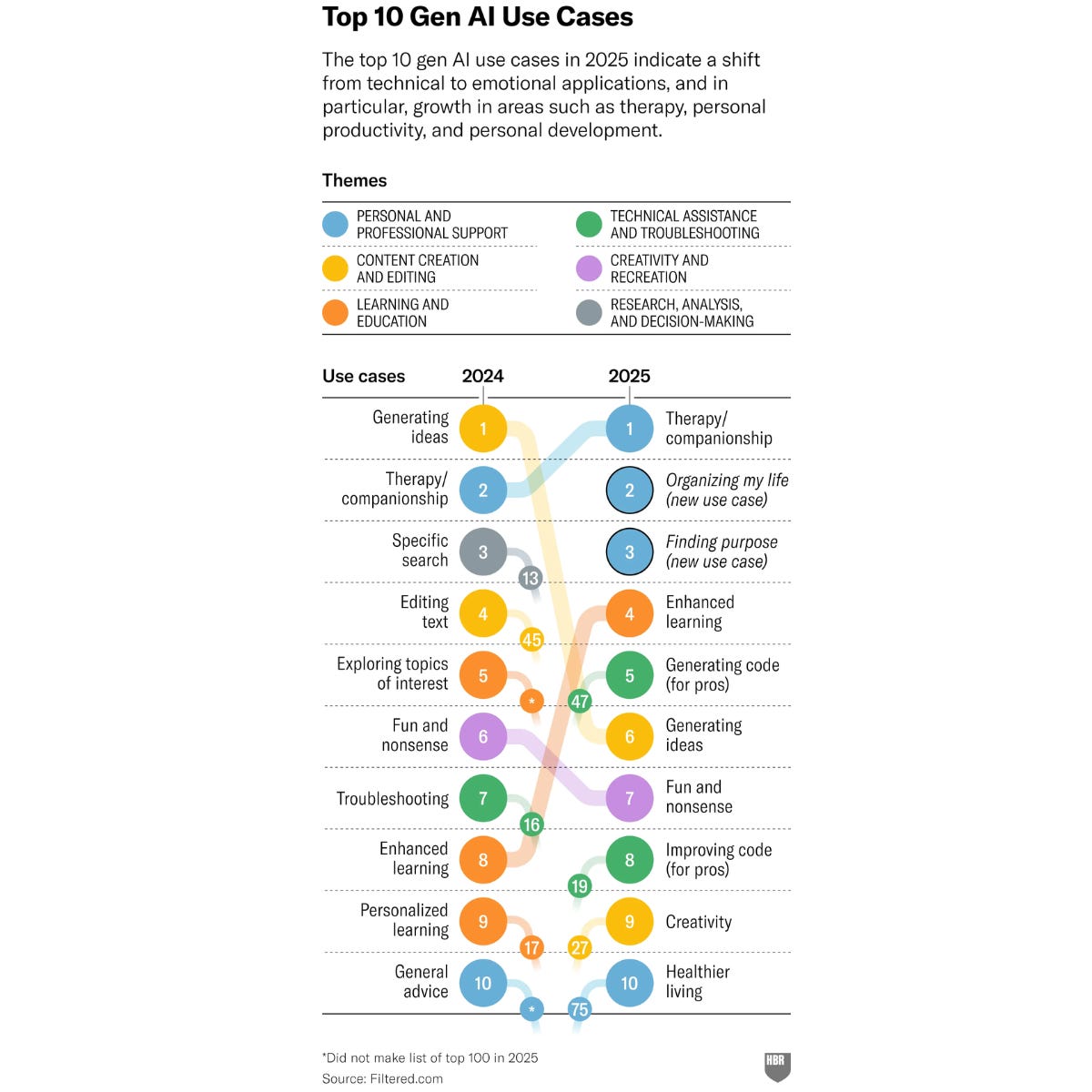
And the business opportunity is significant - some market reports predict that the market will grow at a CAGR of 39% to a whooping $290 billion in 2034.
But…MIT Media Lab and OpenAI just published a study that indicates that regularly engaging with an AI companion…wait for it…makes you more lonely!
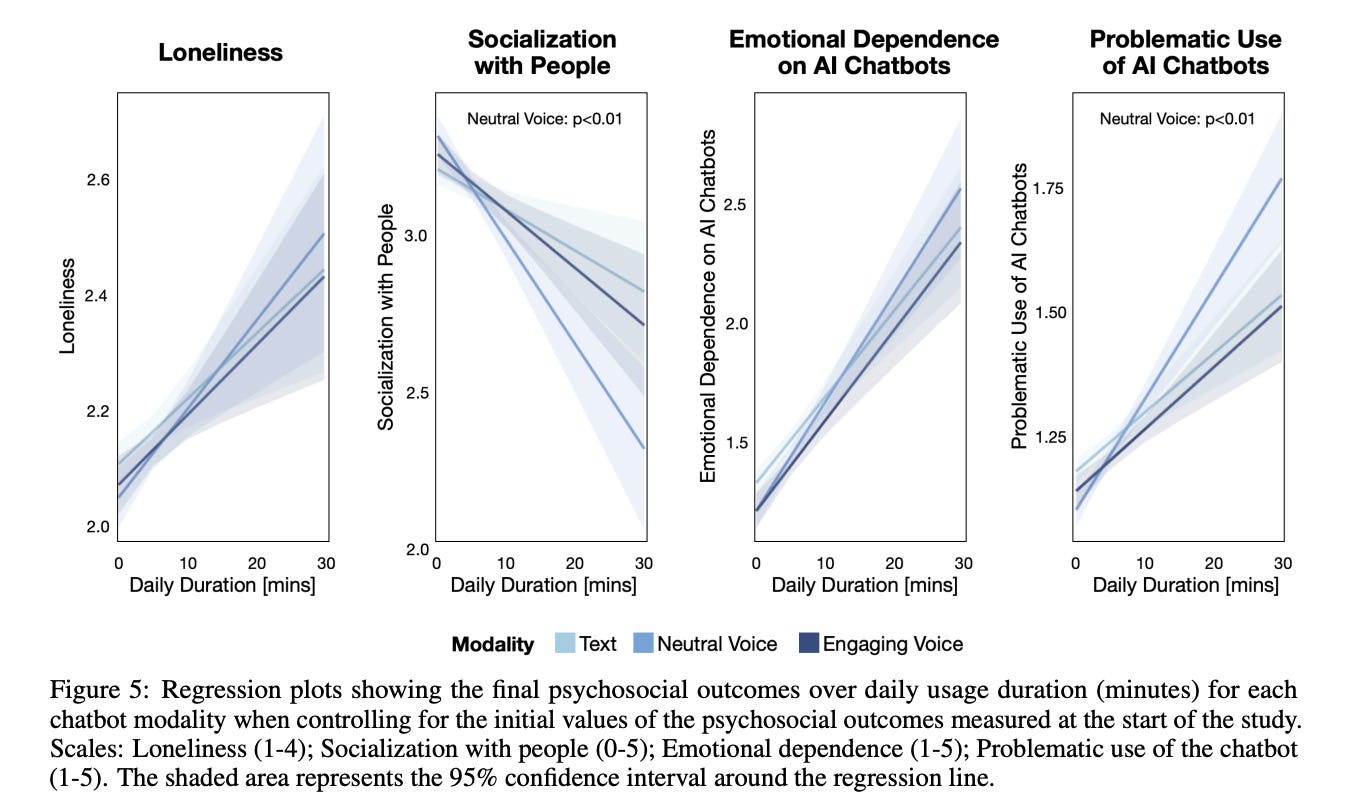
If AI companions become the only source of social and emotional support, especially as they are so easily accessible and often very agreeable, they will crowd out human connection: connection to friends, loved ones, the community around us, or even - if available - mental health professionals.
A new model of care
And this is what makes Kenji different from just another AI therapist.
Former Surgeon General Murthy declared a loneliness epidemic in 2023. Loneliness is not just a feeling; it’s a serious mental health condition that can increase the risk of premature death by almost 30%. He highlights that one of the most effective ways to increase feelings of connectedness and improve mental health is joining a regular, structured, social experience. For anyone interested in going deeper, Julia Hotz has written an entire book about Social Prescribing - or what she calls The Connection Cure.
Similarly, for chronic conditions - a high priority for our current administration and health secretary RFK Jr. - we know that lifestyle interventions that are multi-component, personalized, and sustained over time are most effective. This includes tailored, culturally competent nutrition counseling, structured physical activity, and behavioral approaches like motivational interviewing, habit formation, and nudging. Again, the theme is that we need a structured, ideally in-person program and in-the-moment motivation and support.
Kenji is building a triad that connects the self, structured programs, and accessible in-the-moment mental health support.
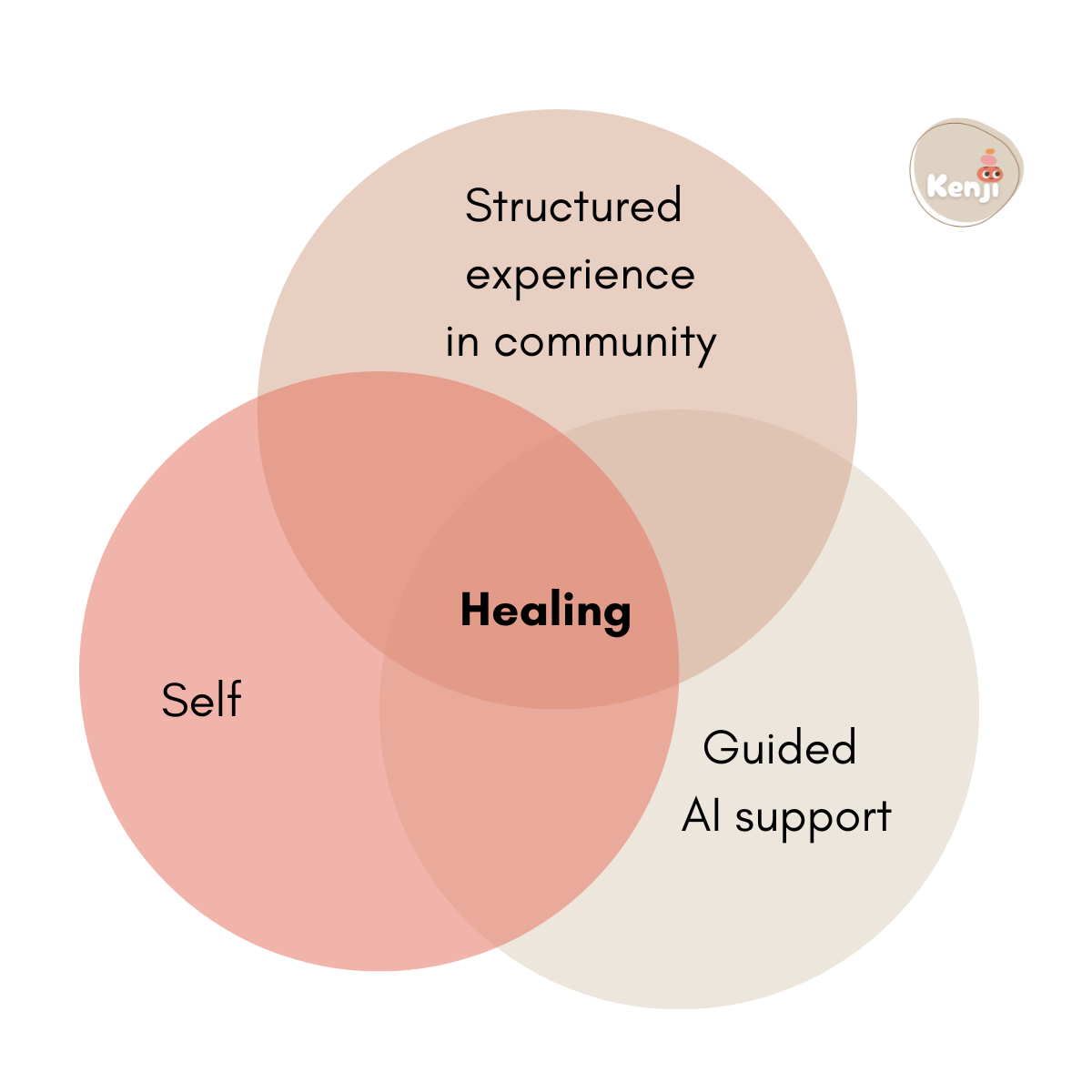
Our Kenji Companion is an always-on, safe, interactive reflection space. It’s an AI trained in motivational interviewing and geared towards providing empathetic and optimistic support. It’s equipped with extensive safety features like moderation and concerning language detection, including a human-in-the loop mechanism.
And it’s the companion to your structured, social program. It knows whether you are part of a lifestyle program for diabetes prevention, a painting class to combat depression, or a theater production for people impacted by homelessness - and it is personalized to that program and to your specific goals.
Augmented Community Care
Think about this as a new category: community care, amplified by AI reflection and motivation. We call this Augmented Community Care (or, for the sigma rizzler generation, we might brand this Community Vibe Care…who isn’t Vibe Coding these days?).
Augmented Community Care allows you to draw from the benefits of the structured, social experience or program - even in moments when you aren’t in an in-person meeting with your community. That way, AI deepens the community experience through guided self-reflection and motivation and helps you feel more connected, instead of becoming even more lonely and isolated.
Partner with us
We are currently onboarding mission-aligned, community programs to make Augmented Community Care a reality. If you’re interested in joining us, sign up to learn more about becoming a partner.
If you know an organization or program that could benefit from participant engagement, measurement, and storytelling tools, feel free to share this note with them.
About this note
If you wonder why you received this email… you either signed up on Kenji’s website or have been in contact with me before. If you are new here, subscribe to this substack! I’ll be sending out regular notes about anything at the intersection of AI and health & wellbeing. And I will also use this to provide updates about what we are building at Kenji Health.
In community,
Nora